We use cookies to enable you to browse the site comfortably and to continuously improve the site's functionality, performance and usability by analysing the site's traffic. More information
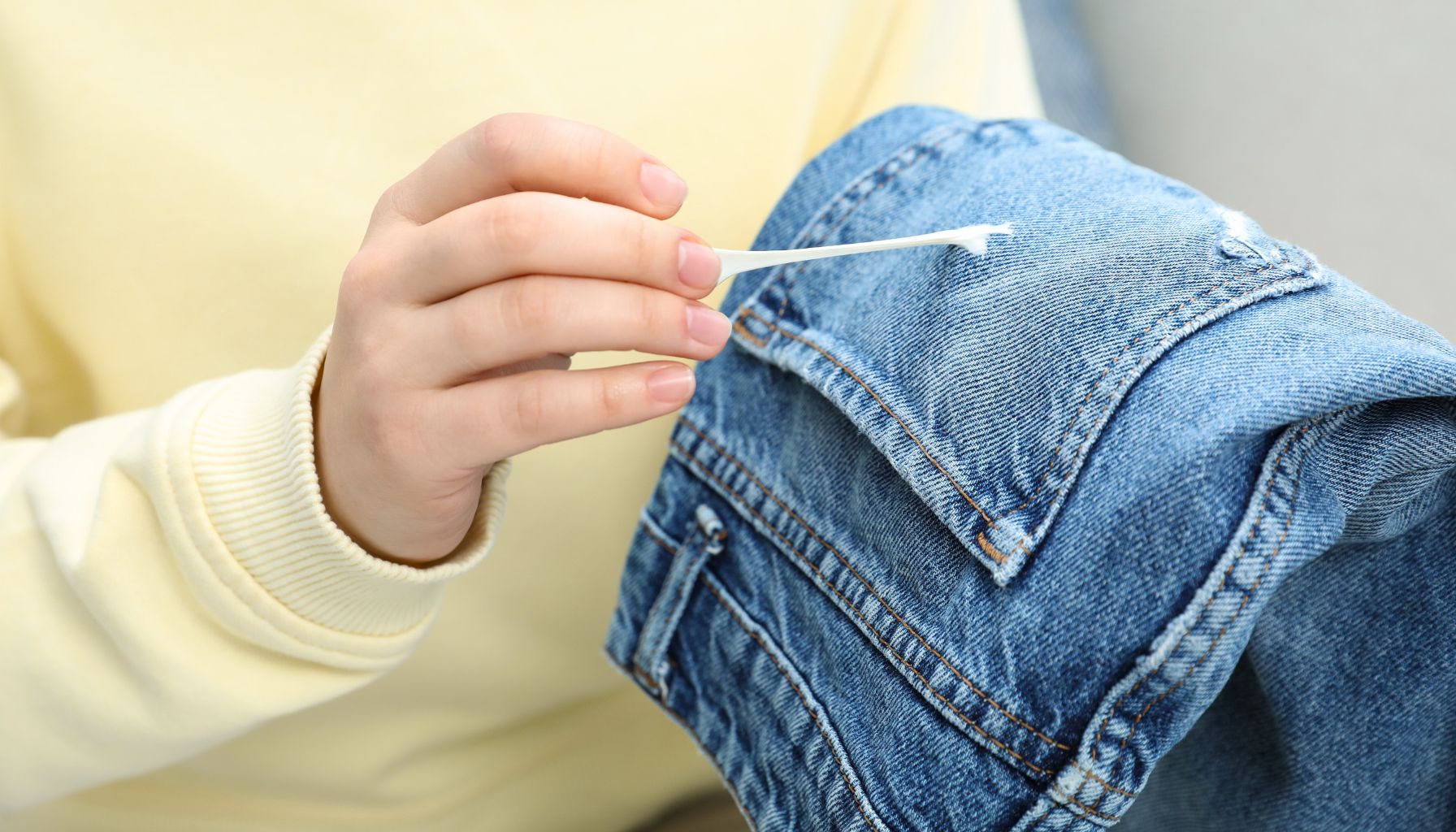
Removing chewing gum from clothing can seem incredibly challenging, but there are several effective methods that can help you tackle this problem. In the following text, you’ll find out how to proceed so your clothes remain undamaged and you get rid of the gum without a trace. If you know how to remove gum from clothes, you’ll avoid unnecessary stress and by saving your favorite garments, you’ll also prolong their lifespan.
Cold Works Wonders
One of the most effective methods is to use cold. Put the garment in the freezer for a few hours until the gum hardens. If you don’t have access to a freezer, an ice cube will do—just cool the gum directly on the fabric. Once the gum is hard enough, carefully scrape it off with a dull knife, for example. This method is suitable for most common fabrics.
Heat Can Help Too
For other types of fabrics, a heat method can work better. Warm up the gum using hot water, a hair dryer, or steam. Once softened, the gum is easier to wipe off with a cloth or spatula. Be careful when using heat to avoid damaging the material, especially with delicate textiles.
Home Remedies Always at Hand
Natural and home remedies like olive oil, white vinegar, or lemon juice can also help with gum. These substances break the bond between the fibers and the gum, making it easier to remove. After using these methods, wash the garment thoroughly to prevent greasy stains.
Delicate Fabrics Need Extra Care
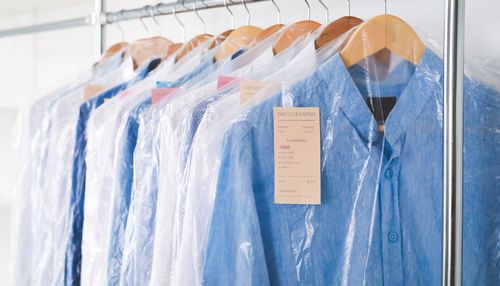
With delicate fabrics such as silk or wool, it’s best not to experiment. Contact a professional cleaner who has specialized products and procedures to make sure your garment remains undamaged.
Prevention Is Better Than Cure
Prevention is always better than solving the problem after it happens. Try to avoid places where there’s an increased risk of gum sticking to your clothes. However, if the unpleasant situation occurs, knowing how to remove gum from clothing will make the process easier and save you time and nerves.
Synthetic fabrics are among the most commonly used materials in a modern wardrobe. These materials, such as polyester, nylon, or acrylic, are known for their durability and resistance to wear, as well as for being easy to care for. If you want your clothes to last long and stay in great shape, it’s important to understand what synthetic fabric is and how to wash it properly.
What Is Synthetic Fabric?
Synthetic materials are made from artificial fibers produced through chemical processes using petroleum derivatives. They are popular for their low wrinkling, quick drying, and versatile use. You’ll often find them in sportswear and everyday clothing, but caring for them properly requires following certain rules to avoid damage.
How to Wash Synthetic Fabrics?
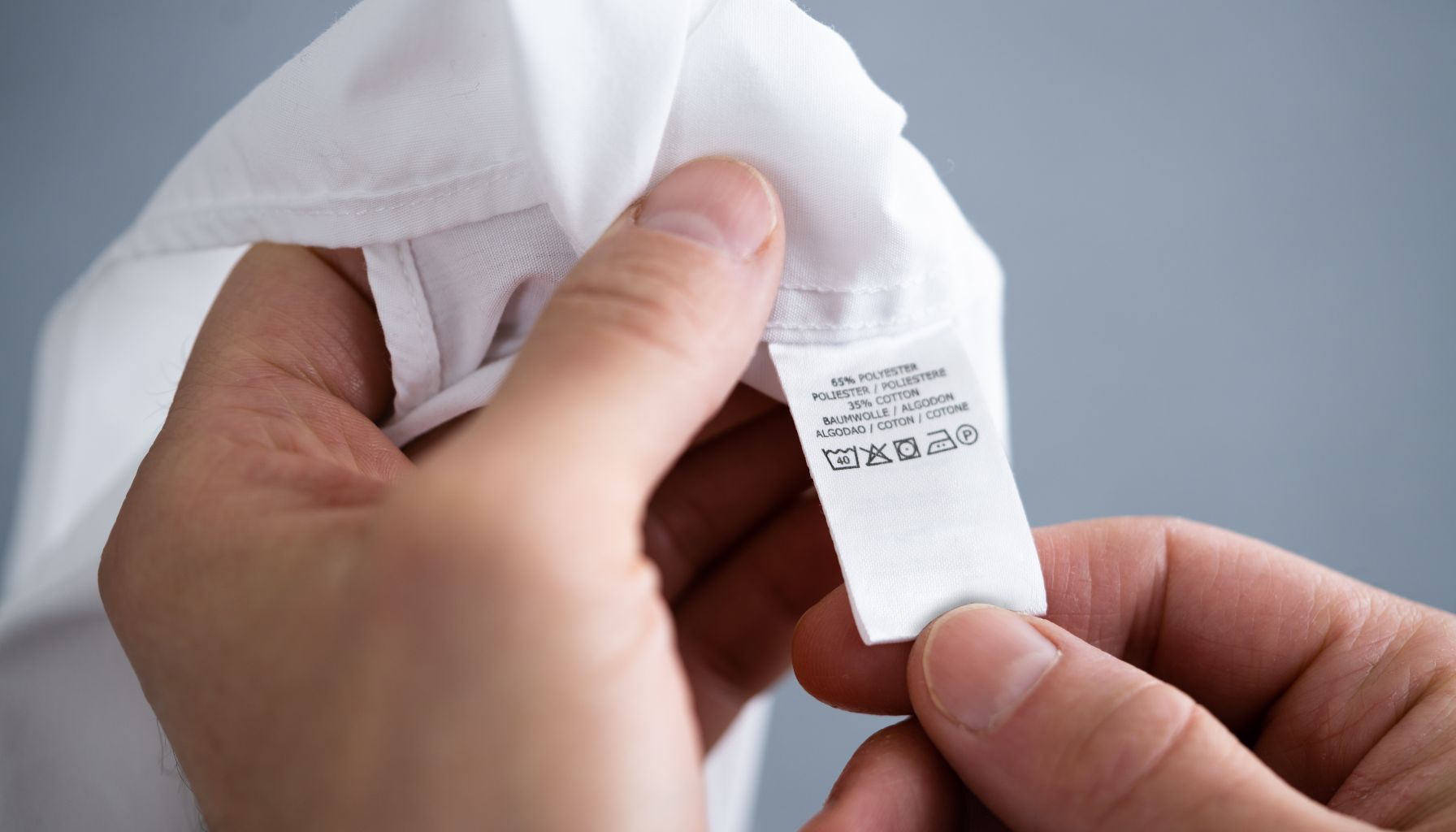
When it comes to washing synthetics, sorting your laundry by color and fabric type is essential. Wash light-colored items separately from dark ones to prevent color transfer. The ideal washing temperature is between 30 and 40 °C, which effectively removes everyday dirt while protecting the fibers from deformation. Higher temperatures can damage synthetic materials, so always follow the instructions on the care label.
Which Detergent Should You Use?
For synthetic clothing, the best choice is a liquid detergent, which dissolves better and doesn’t leave residues on fabrics. When it comes to delicate materials like viscose or blends, it’s best to use special laundry detergents made for gentle care. Avoid bleach or aggressive chemicals, as these can damage the fiber structure.
Drying and Ironing
After washing, let your synthetic garments air dry, ideally away from direct sunlight, to help preserve their color. If you need to use a dryer, only do so at a low temperature. When ironing, set your iron to the lowest heat and use a protective cloth to avoid burning the material.
Why Pay Attention to Proper Washing?
Knowing what synthetic fabric is and how to wash it is key to preserving the quality and longevity of your clothes. Proper washing protects textiles from damage and keeps them in their original condition. By following these simple rules, your synthetic clothing will remain functional and visually appealing for a long time.
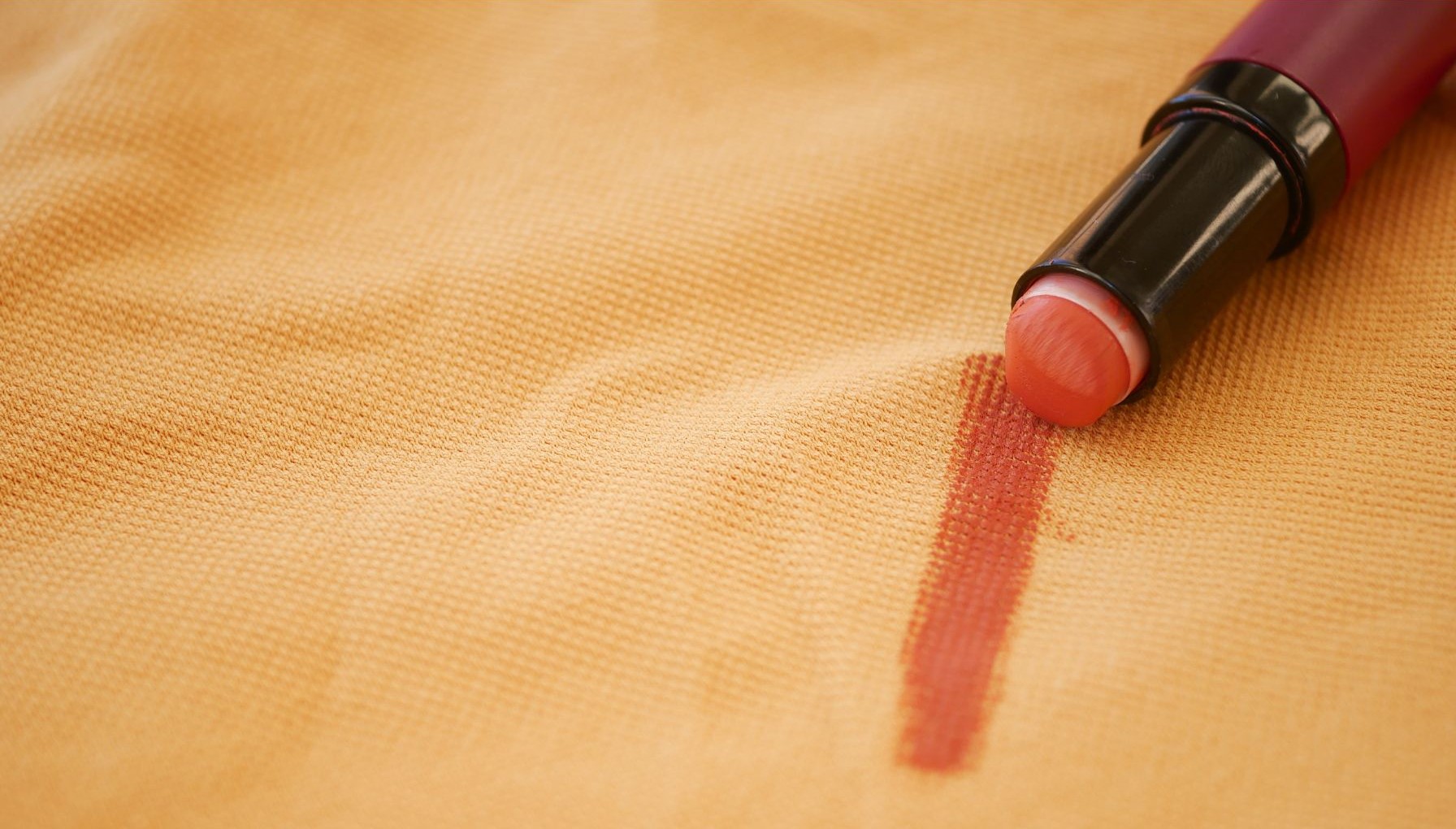
Annoying makeup stains on clothes can ruin your day, especially if they appear on your favorite outfit. Fortunately, there are simple methods that can help you get rid of them quickly and effectively. When you know how to remove makeup stains, you can avoid permanent fabric damage and keep your clothes looking fresh and clean.
Quick Action is the Key to Success
If you spot the stain right away, you’re already at an advantage. The sooner you start treating it, the better the result. Gently blot away any excess makeup using a paper towel or a clean cloth, making sure not to rub the stain further into the fabric. Don’t forget that a quick response can help prevent permanent damage.
Try Gentle Cleaning Solutions
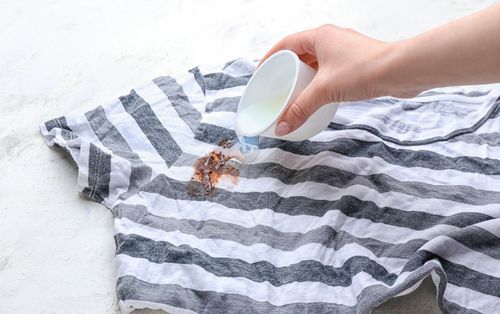
To remove makeup stains, you can use mild cleaning products you probably already have at home. Liquid dish soap can break down the oily components of makeup. Apply a small amount to the stain, gently work it in with your fingers, and rinse with cold water. If the stain is still visible, repeat the process until it disappears.
Trusted Home Remedies
If you want to try home remedies, use baking soda mixed with water into a paste, or white vinegar diluted in equal parts with water. These ingredients work well on different types of makeup, including foundation and lipstick. Apply them to the stained area, let sit for a few minutes, then rinse thoroughly.
Special Care for Delicate Fabrics
When it comes to delicate fabrics like silk or wool, be extra careful. Special laundry detergents for these materials can remove stains without damaging the fibers. Avoid harsh chemicals and, if possible, hand wash these garments.
How to Prevent Permanent Stains?
To prevent permanent stains, never put off cleaning. Makeup stains can set quickly and become harder to remove. After treating the stain, wash your clothes according to the care label so any residue from cleaning products is removed.
Knowing how to remove makeup from clothing is a handy skill that saves you time and nerves. With the right methods and products, you can keep enjoying clothes that look like new, no matter what little mishap occurs.
Washing clothes can be a simple task, but if you want to achieve the best results and maintain the quality of your garments, it is important to know how to sort clothes properly before washing. Improper sorting can lead to color fading, fabric damage, or even changes in the size of your clothing. In this article, we will look at the key steps that will help you sort your clothes effectively and safely.
Sorting by Color
One of the most important steps in washing is sorting clothes by color. Different colors can bleed during washing, leading to unwanted staining of other garments. Therefore, it is important to distinguish between:
Light-colored clothes – includes white, cream, and light pastel shades.
Dark-colored clothes – black, dark blue, dark green, and dark gray garments.
Colored clothes – various colored garments that are neither very light nor very dark.
Tip: When washing new colored clothes, it is recommended to wash them separately the first time to see if they bleed.
Sorting by Material
Different types of fabrics require different care. Delicate fabrics such as silk and wool require gentle washing, while cotton garments can withstand higher temperatures and more intensive cycles. Divide materials into:
Delicate fabrics – silk, wool, lace, and fine synthetic fabrics that are prone to damage.
Thicker fabrics – cotton, jeans, and other sturdier fabrics that need higher temperatures and longer washing cycles.
Tip: For delicate fabrics, always check the clothing labels to ensure you wash them according to the manufacturer's recommendations.
Sorting by Level of Dirtiness
The next step is sorting clothes according to the level of dirtiness. Heavily soiled garments, such as sportswear, work clothes, or clothing with significant stains, should be washed separately from less soiled items.
Heavily soiled garments – sportswear, work clothes, children's clothing.
Less soiled garments – T-shirts, trousers, blouses that are not heavily soiled.
Tip: If you have stubborn stains on clothes, apply detergent or stain remover before washing.
Sorting by Washing Program
Modern washing machines have different washing programs designed for different types of clothes. Sorting by washing program can be useful, especially if you have a large amount of laundry to wash. Programs such as gentle wash, quick wash, or high-temperature wash are optimized for different fabric types and levels of dirtiness.
Gentle wash program – suitable for delicate fabrics like silk and wool.
Cotton program – ideal for regular cotton clothing, bed linen, and towels.
Intensive wash program – suitable for very dirty and durable garments.
Tip: If you don’t have enough clothes for individual programs, try using laundry bags to protect delicate fabrics, allowing you to wash more clothes at once.
Sorting by Washing Temperature
Washing temperature is key to preserving colors and the structure of garments. Therefore, you should also sort clothes according to the temperature they can handle:
Low temperatures (30-40 °C) – suitable for delicate fabrics and colored garments that could bleed at higher temperatures.
Medium temperatures (50-60 °C) – ideal for regular cotton clothing.
High temperatures (60 °C and above) – suitable for towels, bed linen, and heavily soiled clothes that require intensive care.
Tip: The lower the temperature you use, the gentler you are on your clothes and the environment, as lower temperatures consume less energy.
Save Time and Money with Proper Sorting
By sorting your laundry, you not only extend the life of your clothes but also ensure they always look like new. Proper sorting by color, material, dirtiness, washing program, and temperature will help you achieve better results and prevent damage to your clothing. This simple yet effective step can save you not only time but also money on replacing clothes that might otherwise end up damaged or faded.
Merino wool is extremely popular for its softness, thermoregulating abilities, and odor resistance. If you want your merino garments to last as long as possible, it is important to know how to properly wash merino wool. We have prepared 5 essential tips on how to wash merino wool gently and safely:
1. Use a special detergent
When washing merino wool, it is ideal to use special detergents designed for wool or delicate fabrics. Regular detergents contain enzymes that can damage the fibers. The right detergent is the first step in how to properly wash merino wool.
2. Machine washing
When washing merino wool in the machine, choose a low temperature up to 30 °C and a gentle wool cycle. Higher temperatures could cause shrinkage and loss of elasticity. Setting a delicate cycle prevents excessive friction that could damage the fibers.
3. Hand washing
If you prefer a gentler approach, choose hand washing. Place the garment in lukewarm water with a little detergent, gently press without rubbing or wringing, then rinse and gently squeeze out excess water. Hand washing is the ideal way to wash merino wool gently.
4. Dry flat
After washing, let your merino garments dry naturally, laid on a towel on a flat surface. Tumble drying or direct sunlight is not suitable, as it may deform the fibers. Also, do not hang wet garments to prevent stretching the material.
5. Avoid fabric softener
Fabric softener disrupts the breathability and structure of wool, so it is not recommended when washing merino wool. Merino wool naturally resists odors, so you don't need to wash it after every use. Often, airing it outdoors is sufficient.
Proper care for merino wool means choosing gentle washing and drying, which helps your pieces maintain their quality and functionality.
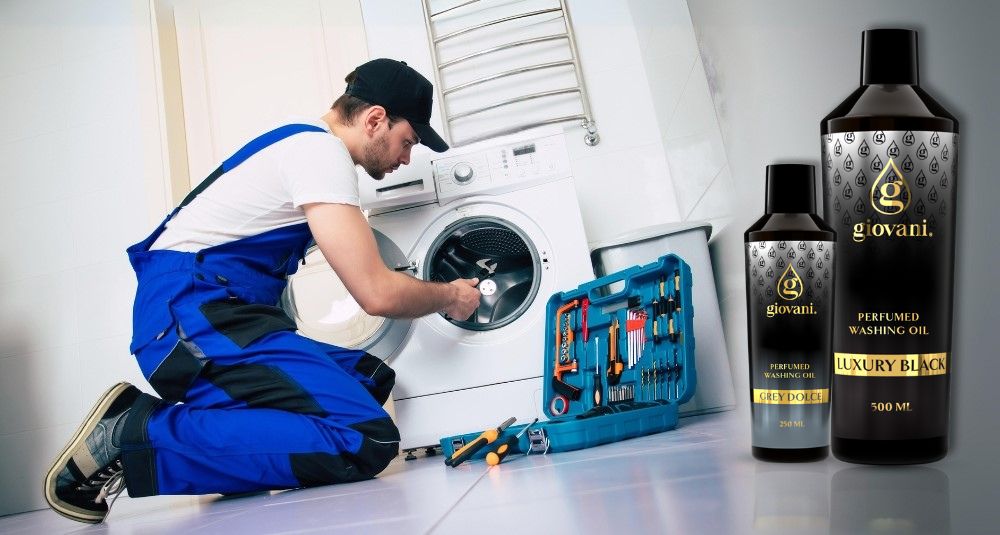
Many people would not even think that a washing machine needs some maintenance. "It's a device that ensures the cleaning process by itself. Therefore, it automatically takes care of itself." Indeed, this opinion is far from the truth. Not only does the washing machine not clean itself through normal use, but its usage can also lead to build-up. This naturally reduces the quality of washing and causes unpleasant odors. After all, it is a machine that removes dirt from laundry, and over time, these can cause problems.
So how to clean a washing machine?
There are several stages of washing machine cleaning. Separate care is needed for the drum, rubber seals, detergent drawer, fabric softener or laundry perfume, and the filter.
1. Washing machine drum
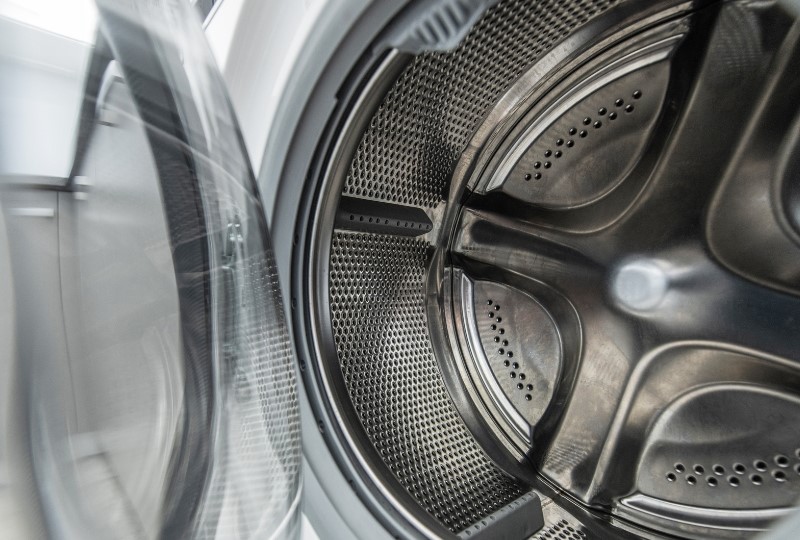
Cleaning the drum is often the easiest task nowadays. Many washing machines now have a special program specifically designed for this purpose. It easily removes deposits and odors. What if your washing machine doesn’t have this feature? No problem, you can handle it yourself quite easily.
For the drum itself, it is sufficient to use special cleaning products(powder/gel/tablets) and run the machine empty. The main reason this process helps eliminate bacteria is that you run the longest program available. Ideally at 90or at least 60 degrees Celsius.
Home remedies suggest that you can also make a cleaning agent from items you already have at home. Vinegar or baking soda is recommended.
The first method is to pour 300-400 ml of vinegar directly into the drum and run the longest washing program. For the second method, you will need 2 packets of baking soda, which you sprinkle into the drum and proceed the same way as with vinegar. Finally, you can also use a combination of these two ingredients, which should handle even stubborn deposits.
In all three cases, caution is necessary. Vinegar is an aggressive acid. It is not good for rubber seals, and frequent use may cause damage, especially if a higher concentration than recommended is used. If you still want to try this method, we do not recommend cleaning the machine this way more than twice a year.
2. Rubber seals
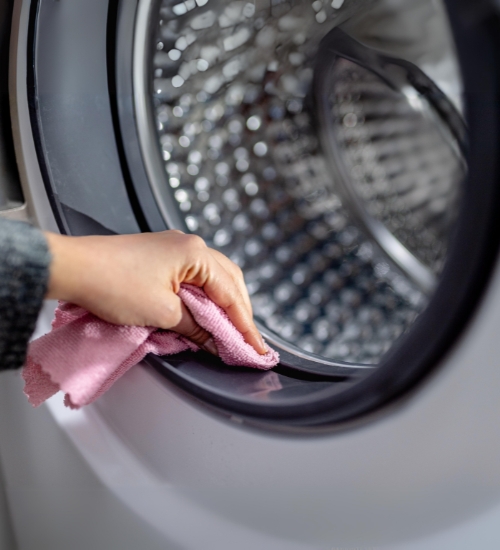
Rubber seals often collect dirt in the form of hair, fur, or tissue remnants. The rubber around the door retains moisture. As a result, bacteria form there and over time mold can develop. Since prevention is key to maintaining cleanliness – leave the washing machine door slightly open after each wash. This prevents the worst. However, regarding the cleanliness of the washing machine, this alone is not enough. If large deposits are visible, remove them. You will then need a damp cloth to thoroughly wipe around the entire rubber seal. If it is still dirty, an old toothbrush can help with cleaning. It is suitable to use a mild cleaning agent or baking soda paste. Mix it with a small amount of water to create a paste, which can then be used to clean stubborn residues.
3. Detergent drawer
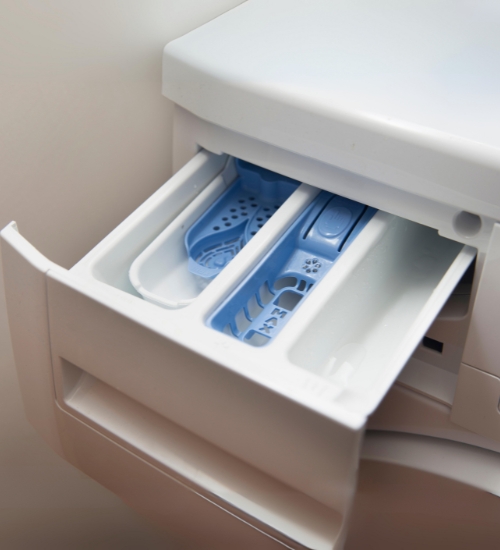
The drawer is usually removable, which makes its maintenance much easier. Pull it out as usual. Some models require a stronger pull, others have buttons (usually on the top of the fabric softener compartment). Wipe the place from which you removed it. Then rinse it under running water and add a cleaning agent if needed. A toothbrush can again help remove detergent and softener deposits. After drying, simply put it back.
4. Filter
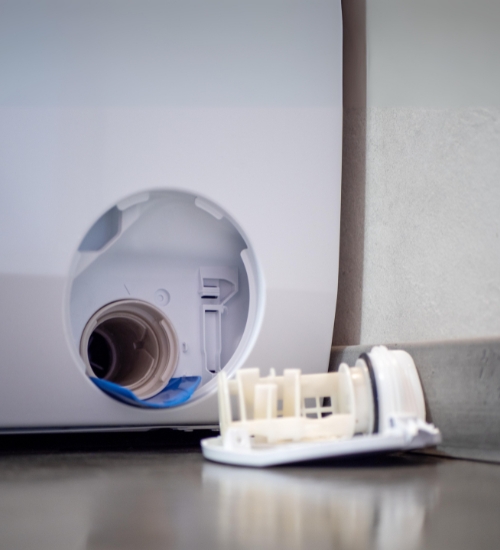
If you don’t know where it is, check the manual. In most cases, it is located at the bottom right on the front of the machine. After removing its cover, a small amount of water may flow out immediately. Therefore, place a dry cloth or towel under the "door" and open it afterward. Remove the filter (again, water may flow out). Remove all dirt and hair by rinsing under running water. Clean it gently, do not scrub with a brush. Simply remove debris with your hand. Once done, place the dried filter back in its place and close the cover properly.
5. Outer part of the washing machine
Finally, just use a damp cloth with a mild cleaning agent. Wipe the exterior of the washing machine. Ensure all cleaning residue is thoroughly removed, and you’re done.
Odor prevention
As mentioned earlier, to make your effort worthwhile, it is important to follow basic rules to prevent dirt build-up. The washing machine door should be left open after each wash. It doesn’t need to be fully open; a few centimeters are enough for the interior to dry, preventing excess moisture. For the same reason, it is recommended to leave the detergent drawer pulled out after washing. Washing laundry at 60-90 degrees Celsius once or twice a month is beneficial. High temperatures eliminate bacteria. For longer machine life, it is advisable to use laundry oils instead of regular fabric softeners.
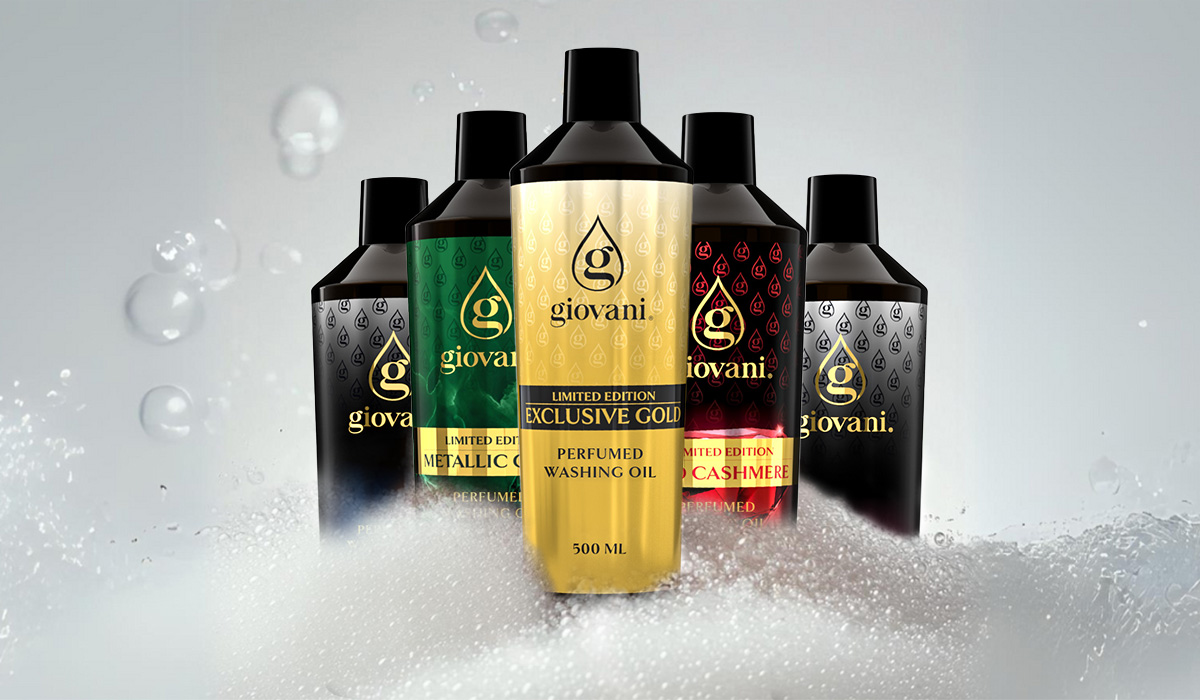
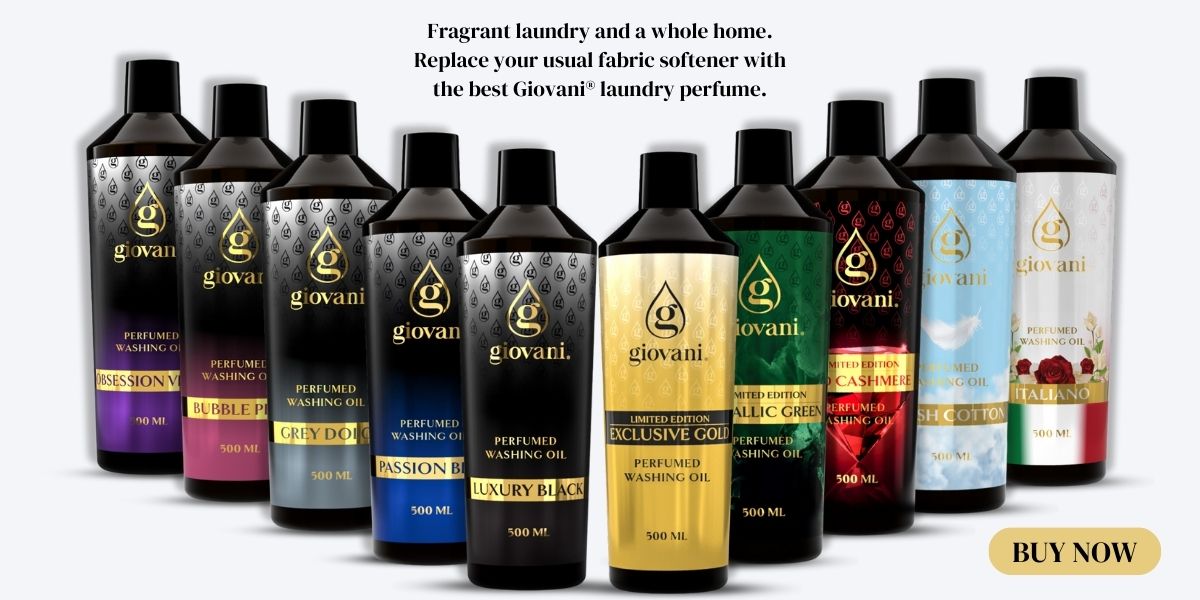
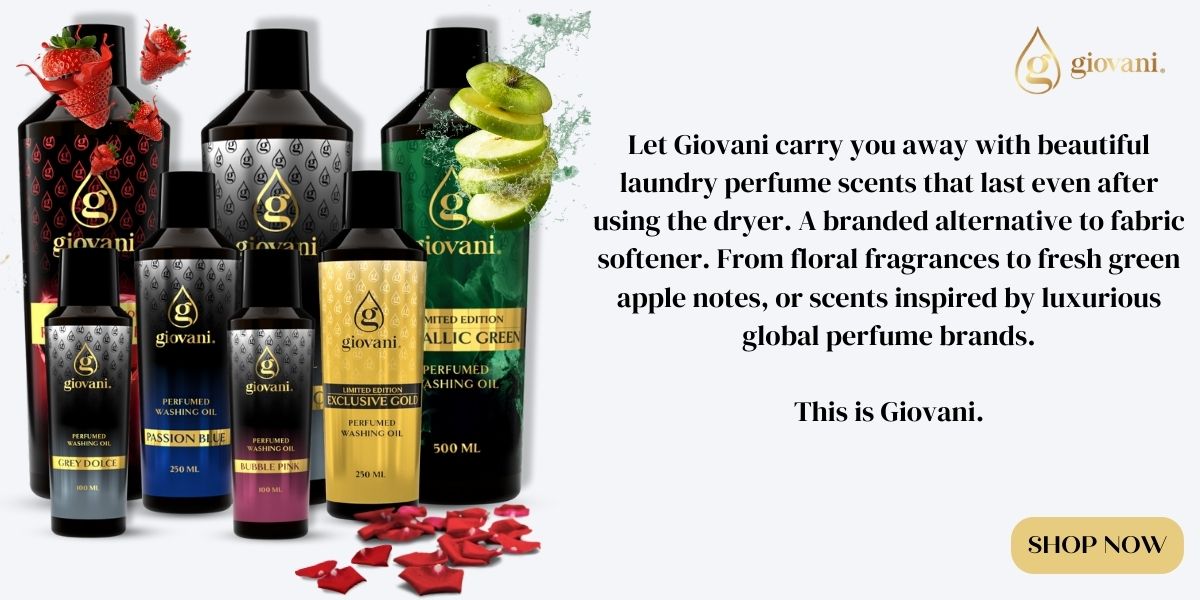
The recommended dose of Giovani®laundry perfumes is minimal compared to traditional softeners. This also reduces the load on the washing machine. Bulky softeners can accumulate in the machine over time, causing laundry not to smell fresh. With our laundry perfumes, your laundry and home will smell fresh for several days. The washing machine remains free of unnecessary build-up, maintaining its cleanliness and extending its lifespan.
By following these steps, you ensure your washing machine operates smoothly and provides high-quality service for many years.